Pest Control: Successful Systems to Preserve Your Home and Venture
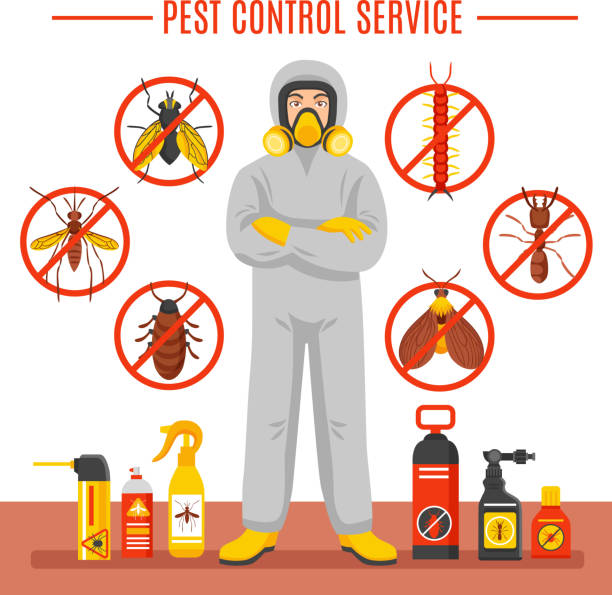
Pest Control: Powerful Systems to Defend Your Property and Establishment
Primer to Pest Control
Pest Control concerns the oversight or handling of species regarded as pests – biological entities that detrimentally alter people's actions or habitats. In New Jersey, in which different ecosystems meet metropolitan and built-up advancement, successful Pest Control is not just a extravagance but a crucial element for upholding wholesome residential and occupational environments. From the sprawling residential areas of Monmouth County to the tight-knit districts of Matawan, pest infestations can disturb anyone, irrespective of how pristine or well-kept their house may be.
The value of applying productive Pest Control strategies cannot be overstated. For house owners, pests can destroy structural strength, corrupt food sources, and pose significant health threats. Establishments experience these equal obstacles, with the further anxiety of name harm and likely forfeiture of patrons if problems are identified. Ordinary pests in New Jersey comprise vermin like rats and mice, assorted insects such as ants, cockroaches, and bed bugs, and the notably destructive termites that can noiselessly compromise a building's structural basis.
For What Reason Pest Control Is Important
Health Hazards of Pest Control Chemicals
Various pests carry and transmit diseases that can impact people and pets. Rodents are identified transmitters of hantavirus, salmonella, and leptospirosis. Cockroaches can cause asthma occurrences and allergic effects, chiefly in juveniles. Ticks, plentiful in New Jersey's wooded regions, are infamous for disseminating Lyme disease, while mosquitoes can transfer West Nile virus and Eastern Equine Encephalitis. Skilled Pest Control aids minimize these health hazards by removing the origin of these conceivable disease vectors.
House Deterioration in Pest Control
The architectural injury created by pests can be vast and pricey. Termites only cause over $5 billion in building injury per year around the United States, with New Jersey homes being exceptionally exposed due to the state's weather. Small mammals can nibble through electrical cables, making fire dangers, while their constant chewing can injure weatherproofing, pipes, and wood basic components. Even apparently inoffensive ants can damage timber structures if neglected unaddressed, specifically carpenter ants which are common in Monmouth County.
Budgetary Ramifications of Pest Control Services
Neglecting pest problems can lead to significant economic consequences. What can originate as a insignificant problem necessitating simple remedy can rapidly intensify into a large problem calling for comprehensive rehabilitation. For companies, particularly those in the food trade or guest service sectors, pest problems can create unsuccessful health assessments, temporary suspensions, and long-term detriment to name and customer belief. Investing in regular Pest Control is not solely about instantaneous satisfaction—it's a prolonged financial defense.
Pest Control: Prevalent Residential and Organization Pests
Rodents (Rats and Mice)
When it regards identifying rodent outbreaks in your New Jersey home, awareness is critical. You may see waste near food provisions, in containers, or below sinks. Chew marks on food wrapping, wooden materials, and power cables are indicative marks of their being. At night, you may notice clawing noises in walls, top boundaries, or below floors as these night-active creatures transform into dynamic. If you locate nests produced from fragmented paper, textile, or desiccated plant substance, that's a clear symptom rodents have made themselves comfortable. Slimy rub marks beside baseboards and walls emerge as rodents adopt the similar paths often, while your pets may demonstrate odd behavior such as woofing or digging at areas underneath appliances or fixtures where rodents hide.
Rodents in New Jersey homes and organizations present various risks exceeding just annoyance. They can adulterate food and cooking planes with bacteria contained in their liquid waste and droppings. Their perpetual requirement to bite can impair goods, especially electrical lines, which creates fire threats. In Matawan and encircling zones, the Norway rat and house mouse are particularly problematic, thriving in both built-up and outlying locations. Successful Pest Control actions are critical to manage these damaging intruders.
Bugs (Ants, Cockroaches, Bed Bugs)
Insect issues show themselves in assorted ways subject to the species. Ant complications grow evident when you observe apparent ant tracks leading to food provisions, or when you detect diminutive stacks of earth or wood shavings constructed by carpenter ants. Cockroach problems often show themselves through dark pellets looking like coffee grounds or black pepper, a unique stale scent that penetrates overrun locations, and the occurrence of egg coverings in secret corners. Bed bug infestations show up as rust-colored dots on mattresses and belongings, shed skins near resting locations, minute blood stains on sheets, and bothersome red protuberances on skin typically ordered in a row or assembly.
Arthropods typify the most varied class of pests in New Jersey. Cockroaches can cause asthma and hypersensitivities while distributing various germs. Bed bugs, while not disease agents, produce significant unease, sleep interference, and sentimental torment. Some ant species, like carpenter ants common in Monmouth County's forested locations, can inflict skeletal injury akin to termites throughout time. Trained Pest Control companies can determine particular insect species and apply targeted handling strategies that deal with the unique actions and vulnerabilities of each pest.
Termites
Detecting termite movement promptly necessitates recognizing the understated signs of their attendance. You perhaps observe rejected wings near openings and entrances after swarmers have spotted a mate and founded a new group. Mud tubes on outdoor partitions, wood beams, or in crawl spaces serve as safeguarded highways for these detrimental bugs. Wood that echoes empty when rapped signals termites have been gorging from internally. Access points and openings that unexpectedly cling may demonstrate distorting from termite injury, while fractured or inflating paint akin to water injury often conceals termite movement below. Locating frass—termite dung akin to minute wood-colored particles—delivers another confirmation of their unwelcome being.
Termites pose perhaps the most important framework hazard amidst all common pests. In New Jersey, the Eastern subterranean termite is abundant and remarkably ruinous. These creatures can stay concealed for eras while generating extensive impairment to wood structural sections. Homes in Matawan and all over Monmouth County, particularly older properties, are at risk to termite incursions. The typical charge of term pest control.
Pest Control Safety Considerations
Safe Usage of Pesticides and Chemicals in Pest Control
As products grow needed in your pest control method, prioritizing protection requires consideration to multiple crucial approaches that safeguard persons, animals, and the surroundings. Continuously review and observe label guidelines exactly, as these legally-binding instructions demonstrate extensive evaluation and regulatory evaluation intended to decrease dangers. Utilize the smallest efficient volume of pesticide to attain management while reducing excess chemical addition into your home space. Administer chemicals only in areas designated on the product instructions, preventing unauthorized treatments that may produce surprising hazards or decrease efficacy. Don appropriate safeguarding gear as stated by product producers to prevent personal contact during application. Keep products in their initial bottles with directions preserved to maintain entry to security details and eliminate misidentification. Document comprehensive notes of all uses, writing down products utilized, mixing ratios, areas treated, and schedules of application for subsequent use. Ensure appropriate curing and airflow before reoccupying serviced locations, especially vital in New Jersey's conditions where dampness can impact setting periods. Think about less-toxic choices when efficient, as improvements in pest elimination have created many less-hazardous alternatives that retain performance while decreasing possible dangers.
Shielding Companions and Kids While performing Pest Control Treatments
Extra measures become crucial when implementing pest control treatments in residences with at-risk household occupants. Move animals while performing application and until spaces are dry to eliminate close contact with damp chemicals or vapors that could create harmful responses. Protect or move pet meals, water dishes, and toys before treatment to eliminate contamination that could result in inadvertent consumption. Store children's toys apart from service zones, particularly items that small kids might put in their lips. Disinfect and sanitize meal making areas after service, even if they weren't immediately applied to, to get rid of any leftovers that might have settled during application. Maintain young ones distant from applied locations for the suggested time, extending this period for crawling toddlers who have more immediate contact with ground and lower areas. Think about animal-friendly and non-toxic to children product alternatives when obtainable, as many contemporary chemicals aim at particular pest physiology while decreasing animal harm. Most vitally, tell qualified technicians about the occurrence of companions, kids, or expecting family individuals before they formulate service strategies, allowing them to change strategies and chemical selections suitably.
Governmental Rules and Compliance with Pest Control
Pest control in New Jersey works within a legal system designed to defend community wellness and the ecosystem while guaranteeing efficient pest control. The New Jersey Department of Environmental Protection supervises pest management procedures, necessitating professional pest control organizations to fulfill certain specifications. Companies must use authorized applicators who have succeeded in official tests proving competency in pest science, service approaches, and safety guidelines. These companies must keep adequate protection coverage safeguarding both their applicators and their clients from likely damages or harm related to pest control procedures. Stringent rules control pesticide warehousing, movement, and removal to eliminate ecological pollution and unauthorized access. Specialists must provide Safety Data Sheets upon inquiry, detailing the characteristics and dangers of substances used in services. Alert standards apply for some applications, specifically in multiple-unit structures or commercial spaces with multiple inhabitants. Complete application notes must be kept, forming an audit history of pest control procedures. Additionally, only chemicals licensed for utilization in New Jersey may be officially utilized, guaranteeing that area environmental circumstances and environments have been reviewed in the authorization process. For commercial properties in Matawan and throughout Monmouth County, supplementary guidelines may relate relying on the sector, specifically for dining business, medical, and child care facilities where pest control intersects with additional public health aspects.
Natural Pest Control Alternatives
Unified Pest Control (IPM) Method
Combined Pest Control constitutes the highest benchmark in current pest control, emphasizing on sustained prevention through a mix of approaches that minimize natural impact while enhancing performance. The IPM procedure initiates with comprehensive examination and tracking to determine pest presence accurately, creating initial details about kinds found and population counts. This results in correct determination of pest species, confirming elimination efforts target individual behaviors and vulnerabilities rather than applying general applications. Experts determine limit quantities that warrant intervention, recognizing that the plain occurrence of a few organisms does not inevitably require intervention if amounts remain under harmful thresholds. When treatment grows required, IPM implements various treatment approaches in cooperation, commonly beginning with minimal-risk strategies and escalating only when essential. Across the system, practitioners evaluate efficiency and change approaches as necessary, establishing a flexible approach reactive to shifting circumstances. Most crucially, IPM stresses protection over control, tackling physical and ecological conditions that support pest populations rather than simply eliminating present insects. Many pest control organizations in New Jersey provide IPM-based programs that match with the area's effort toward reduced-risk pest control approaches, particularly in vulnerable locations like schools, healthcare establishments, and food manufacturing operations.
Non-Chemical Management Approaches
Effective pest control often combines natural approaches that can resolve or reduce pest concerns without inserting pesticides into the environment. Structural barriers such as screens, entrance seals, and closing prevent pest penetration fully, tackling the trouble at its origin. Physical controls like traps and blocking systems eliminate existing pests while avoiding new infestations. Natural approaches involving useful organisms and microbes introduce biological enemies that aim at particular insects while keeping advantageous insects undamaged. Management methods alter the conditions to prevent pests, such as adjusting watering timing to lower humidity that lures specific creatures. Habitat change decreases harborage and feeding options, rendering sites minimally favorable to problematic inhabitants. For particular organisms like bedbugs, thermal treatments provide very productive treatment without harmful remains by boosting temperatures over the heat killing limit for all living cycles of the specific pest. Comparably, cold approaches for kept product insects like cereal bugs or kitchen moths can eradicate problems in nutritional goods without chemical pollution. These techniques demonstrate especially valuable in New Jersey's diverse locations, where proximity to water systems, preserved natural areas, and thick population hubs generates various situations where synthetic minimization becomes preferable or needed.
Green Pest Control Control Options
The pest control business keeps to advance toward more sustainable approaches that keep effectiveness while minimizing natural footprint. Botanical chemicals obtained from botanical extracts like chrysanthemum extract, neem oil, and essential extracts provide focused treatment with decreased longevity in the nature. Microbial agents including microbes, spores, or pathogens that target particular pest organisms supply exactness that traditional universal chemicals can't match. Maturation modifiers that block pest mating by disrupting with life cycle stages supply sustained quantity limitation without immediate toxic influences on developed insects. Scent devices that observe or disturb pest mating aid figure out when control grows needed and can block mating in particular species. The field continuously adopts reduced-risk products with reduced ecological effect, shifting away from traditional compounds with more extensive influences on beneficial species. Targeted treatment technologies that reduce entire substance usage apply services directly where needed rather than scattering substances over wide regions. Environmental certification programs for pest treatment organizations set requirements for environmentally favorable care and offer users with distinct recognition of providers committed to green approaches. In naturally vulnerable regions of New Jersey, containing areas of Monmouth County with distance to aquatic sources, these environmentally-friendly methods are notably useful for protecting both people's safety and ecological ecosystems while nonetheless providing successful pest elimination.
Finding a Local Pest Control Service Provider in New Jersey
Capitol Exterminating System
272 NJ-34
Matawan, NJ 07747
(732) 441-1900
Frequently Posed Questions (FAQs) about Pest Control
How regularly should pest control be carried out?
For numerous New Jersey homes, quarterly pest control provides sufficient security against periodic pest pressures. This routine aligns with the area's separate cycles, each producing separate pest challenges that need proactive care. Springtime applications generally address arising ant populations and hibernating organisms growing active. Summertime services emphasize on mosquitoes, parasites, and different winged creatures that thrive in heated conditions. Fall applications ready properties for small mammals and sheltering organisms pursuing protection as conditions decrease. Winter applications preserve safeguarding against inside pests while handling rodent activity at its maximum. Though, this timing may grow for buildings with specific threat factors or ongoing problems that call for more comprehensive control. Residences close to natural regions in Monmouth County may gain from supplementary tick and mosquito control services across top periods. Homes with past of specific pest problems frequently need specific follow-up services beyond the typical every three months routine. Commercial establishments, particularly meal preparation establishments in zones like Matawan, often call for frequent service to sustain agreement with safety requirements and stop issues that could hurt reputation and business operations.
Is specialist pest control harmless for pets?
When executed appropriately, professional pest control can be safe for pets through cautious material picking and application techniques that limit contact. Modern targeted application procedures and lower-risk products have markedly enhanced wellness profiles relative to older pest treatment approaches. Contemporary applications frequently apply mixtures particularly created to have minimal toxicity to mammals while staying efficient against specific pests with separate physiologies. Professional professionals acquire preparation in application procedures that position substances in locations animals cannot access, such as wall spaces, fissures and openings, or underneath equipment. Nevertheless, pets should be removed while performing treatment and until all services have set completely, obeying particular rest durations recommended by the product manufacturer and technician. Water containers should be shielded and oxygen devices disabled during service to eliminate exposure from floating particles. Pet possessions featuring resting places, items, and nutrition equipment should be relocated or shielded during treatment. Discuss any worries with your pest control provider, who can propose correct waiting times based on the particular procedures applied and adapt methods for households with specifically sensitive animals like avians or cold-blooded animals that may have distinct physical sensitivities than cats and dogs.
What are the indicators of a major pest issue?
Besides visible pests personally, several alert indicators indicate potentially severe issues demanding quick pest control intervention. Unusual aromas often arise with extensive issues – musty, slick scents may reveal mice and rats, while sugary, nutty odors occasionally come with German insect populations. Unexplained building damage like falling surfaces, peeling coating, or falling apart material may indicate termite presence or wood-boring ant infestations destroying building parts. Peculiar sounds within barriers or upper spaces, especially at nighttime, frequently show small mammal movement as these nighttime animals turn mobile in hidden areas. Too much dust resembling small wood particles beside timber parts may actually be excrement or excrement from timber-damaging insects. Some families have puzzling health troubles like respiratory troubles or itching that resolve when distant from property, probably indicating insect infestations impacting interior environmental quality. In New Jersey houses, special care should be devoted to basement and lower locations where moisture problems can encourage pest colonies, particularly in mature properties throughout Monmouth County where foundation fissures and decaying mortar pest control New Jersey offer various invasion spots. Locating multiple dead creatures of the same species shows a more extensive community nearby, while oil stains near wall bases indicate confirmed mouse and rat trails with consistent traffic.
Can I eliminate organisms without pest control pesticides?
Yes, many pests can be stopped through appropriate cleaning, exclusion, and living space change without employing toxic treatments. The cornerstone of non-toxic pest control commences with complete blocking activities – filling cracks, gaps, and holes that allow insects to penetrate structures in the first position. Installing door strips, mending damaged screens, and filling utility holes stops common entry spots. Eliminating sustenance options through correct meal storage in closed packages, quick cleaning of spills and bits, and routine waste disposal considerably reduces attractants that bring pests indoors. Reducing water by fixing dripping water lines, bettering air circulation in moist areas, and addressing drainage issues gets rid of the liquid resources multiple creatures need. Keeping a distance zone surrounding homes by trimming vegetation, eliminating leaf waste, and holding timber elevated and separate from homes reduces hiding zones and invasion locations. Utilizing tangible obstacles like copper wire or steel fiber to block wider spaces supplies permanent barrier protection for small mammals and large mice. Consistent maintenance that contains removal fissures and openings removes pest larvae and sustenance matter that encourage pest breeding. For present infestations, though, some kind of control agent may be needed to solve set troubles, though numerous reduced-danger options are available containing diatomaceous earth, boron acid, and insecticidal detergents that provide reduced threat relative to standard products.
What should I prepare for while having specialist pest control service?
A qualified pest control service usually initiates with a detailed examination to recognize pest varieties, invasion locations, and supporting situations leading to the problem. The specialist should take attention checking both interior and outdoor areas, giving special focus to food preparation areas, bathing facilities, underground areas, and edge building supports where pest movement frequently gathers. Following this inspection, the technician should describe their discoveries in depth and suggest a service strategy tailored to your individual situation, reviewing both the specific creatures and the methods suggested for handling them. You may get readiness directions before application, probably featuring moving furniture, clearing particular locations, or protecting animals. In the course of the service, the specialist will apply correct chemicals to targeted areas based on the pest types determined, focusing on gaps, openings, and pest hiding zones rather than scattering procedures throughout full regions. They may position observation tools like bug snares or attractant containers that aid follow advancement and provide ongoing safeguarding. After ending treatments, a expert should clarify any subsequent precautions such as air circulation standards, access durations, or areas to clean. Before exiting, they should schedule additional services if necessary for specifically difficult creatures like bed bugs or German cockroaches that typically require numerous procedures for full elimination. Throughout this procedure, experts should accept queries and offer understandable details about the materials and techniques used, reflecting their education and pledge to both efficiency and security.
Effective pest control is an important part of sustaining healthy, harmless home and professional spaces in New Jersey. From the humid summers that bring flying insects and ticks to the frigid seasons when small mammals search for refuge inside, pest threats stay a annual concern for inhabitants and companies in Monmouth County and Matawan. By comprehending frequent creatures, implementing preventive steps, and knowing when to obtain specialist aid, property owners can protect their properties and the health of residents.
Using a anticipatory strategy to pest control is consistently greater successful and budget-friendly than responding to active invasions. Frequent inspections, correct preservation, and dealing with minor concerns before they grow can stop the major costs and interruptions linked with major pest troubles. When qualified assistance becomes essential, choosing a respected, licensed pest control company who employs unified pest control methods ensures successful outcomes with minimal surrounding effect.